IBJJF 2027 Rule Changes: Jumping Guard DQ, No Foot Locks for White Belts and More
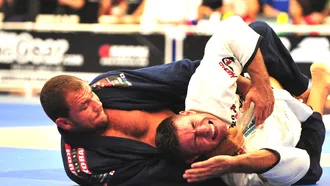
The IBJJF has published its 2027 rule updates, and the headline is simple: white belts lose the straight ankle lock and jumping guard gets you disqualified. Everything takes effect on January 1, 2027, so this season's events are untouched.
The federation announced the changes on November 13, 2026, in an official IBJJF news post, with the full wording and video examples for each change on the IBJJF 2027 rule changes page. Here's the rundown.
Fouls and Illegal Moves
This is where most competitors will feel the change.
- Jumping guard is now a DQ. Jumping for closed guard on a standing opponent, flying triangles and flying armbars included, is a severe foul with disqualification on the spot. It applies to every belt up to 15 years old and to white belts of any age. Before, the referee just stood you both back up.
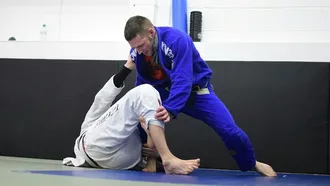
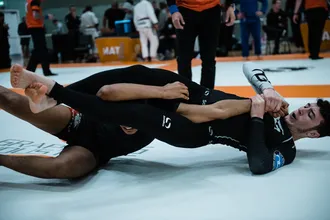
- White belts and 16 and 17 year olds lose the straight foot lock. It was already banned for ages 4 to 12 and 13 to 15. In 2027 it's also illegal for juveniles at every belt and for white belts from Adult to Master 8. If you've been drilling the ankle lock as your white belt finishing sequence, it's time to find another one.
- Blue and purple belts can turn in the foot lock. Turning toward the foot you aren't attacking is no longer illegal for blue and purple belts from Adult to Master 8. Brown and black belts already had it.
- Disciplinary disqualification. The IBJJF can now upgrade a severe foul to a disciplinary DQ when an athlete does it on purpose or knowingly risks injuring the opponent, including with disproportionate force. Any action meant to injure counts, even if it isn't on the severe foul list. The decision sits with the IBJJF, on a formal request from the event's Referee Coordinator.
Scoring Changes
- Closed guard pull, opponent stays hanging. If you hold a pants grip and they pull closed guard but stay suspended, the old rule gave you three seconds to put their back on the mat. That limit is gone. You now have to make them land on their back, sideways or seated, and you still need to stabilize the top for three seconds to get the 2 points.
- Match stopped with a submission locked in. If the match is interrupted for a reason that isn't either athlete's fault, and the Rules Book has no specific procedure, you restart standing in the center and the athlete who had the submission gets 2 points.
Stalling and Penalties
- Double guard pull. The 20 second countdown remains. If neither athlete has reached the top or scored when it ends, both get a penalty and the match restarts standing. That now applies even if a submission is in or a point is about to land.
- Lapel or belt grip with a leg wrapped. Grip the lapel or belt and wrap your leg in a controlling position, and you have 20 seconds to progress before a lack of combativeness penalty, whatever your intention.
- Passing joins sweeps under the progression concept. The IBJJF already applied it to sweeps and now applies it to guard passing too. There's no Rules Book change attached, but expect referees to read passes differently.
- A "calm down" gesture. Hands up with palms forward, then lowered with palms down. Referees now have an official way to tell athletes to cool it.
Master 8 Arrives
A new Master 8 division opens for athletes 66 and older, with 4-minute matches. Master 7 narrows to 61 to 65. Master 8 also goes into the illegal moves table and the tie-break rules. Good news for anyone who's been proving that you're never too old to start BJJ.
No-Gi Uniform Changes
- White belts: shirt mostly white (more than 50%), with black as the only other color.
- Black belts: shirt mostly black (more than 50%), with white as the only other color. The small red area is still tolerated.
- Grey to brown belts: black and/or white shirt with at least 10% of your belt color, placed so your rank shows from the front or the back. A shirt that's entirely your belt color is also allowed.
- Shorts: no longer than the knee and no more than 15 cm above the middle of the knee. Kids' shorts still have to reach halfway down the thigh.
- Men's spats: compression pants and/or compression shorts are allowed under the shorts in black, white, black and white, or your belt color.
What to Do Before January 1
If you compete at the IBJJF, read the official page and run your next few rounds with the new rules in mind. White belts need a new submission plan, anyone who likes a jump guard needs a new entry, and anyone with a no-gi shirt that's mostly the wrong color needs a new rash guard. Our full guide to BJJ rules and points has been updated with all of this, and our guide to competing in BJJ covers the rest of tournament prep.
The IBJJF's own page notes that in case of doubt, the official Rules Book text prevails, so treat this article as a summary and not the rulebook.
Sources
- IBJJF, Official IBJJF Rules Update, published November 13, 2026.
- IBJJF, IBJJF Rule Changes 2027, with before and after wording from Rules Book v6.1 (June 2024) and the 2027 Rules Book.
- CBJJ, Mudanças de regras 2027, the Portuguese version of the same update.
Frequently Asked Questions
When do the IBJJF 2027 rule changes start?
January 1, 2027. Events in 2026 still use the current rules.
Is the straight ankle lock illegal for white belts in 2027?
Yes, at the IBJJF. From January 1, 2027 the straight foot lock is illegal for white belts from Adult to Master 8 and for 16 and 17 year olds at every belt.
What happens if you jump guard at the IBJJF in 2027?
If you're in a division up to 15 years old or you're a white belt of any age, you're disqualified from the match at the moment it happens. Before 2027 the referee just restarted the match standing.
What is Master 8 in BJJ?
A new IBJJF division for athletes 66 and older, with 4-minute matches. Master 7 becomes 61 to 65.